Table FCasino Trips
Historic Casinos in Europe, From Venice to Monte Carlo
- 4 min
- pg. 32
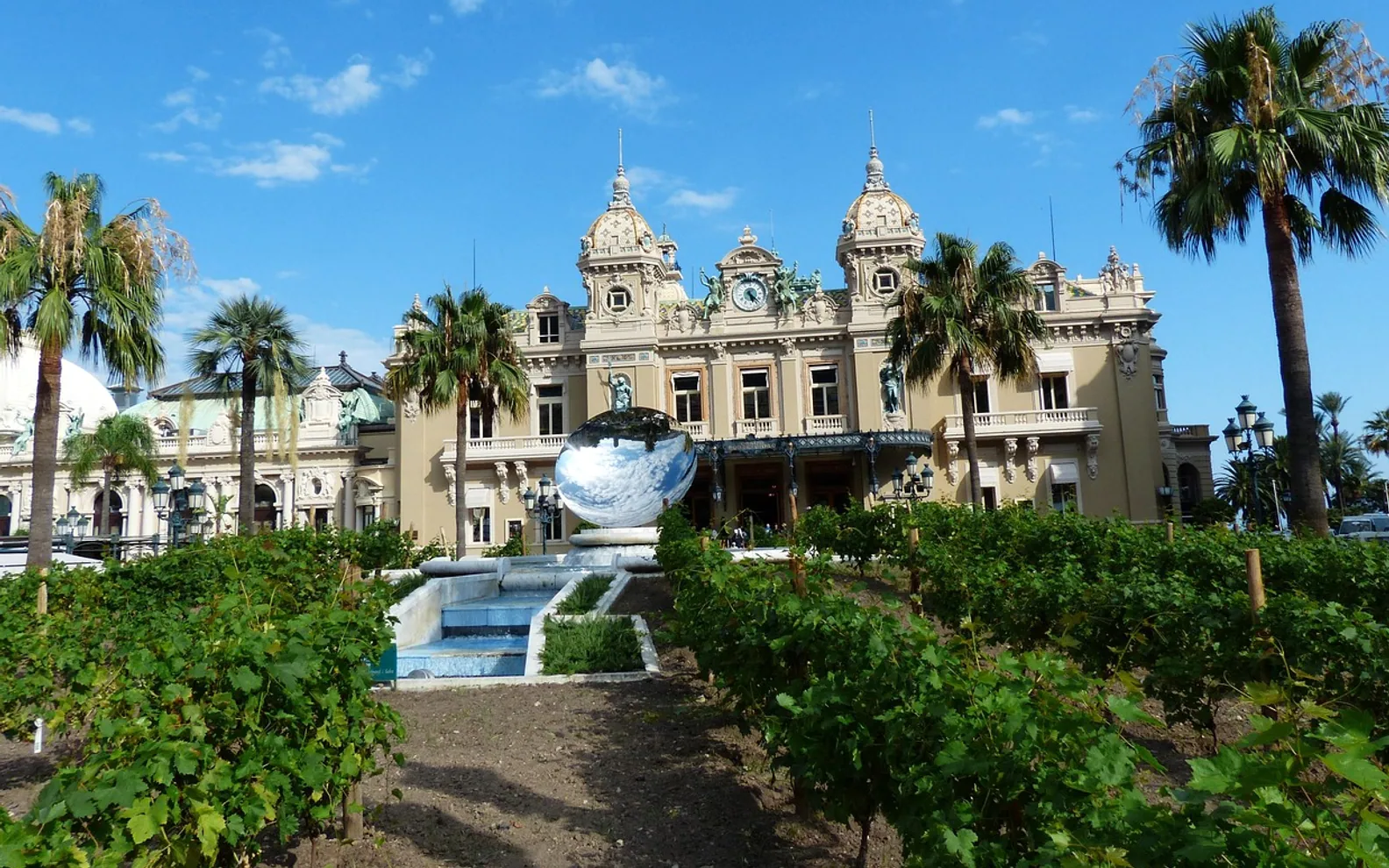
Europe's oldest casinos grew out of carnival halls, spa towns and seaside resorts. Venice's Ridotto, opened in 1638, is usually named the first public casino in the world; Monte Carlo, Baden-Baden, Spa and Estoril followed as gaming became part of the season at fashionable resorts. Many of these houses still operate, often in buildings worth seeing even for visitors who never place a bet.
Venice: where the public casino began
In 1638 the Venetian Republic opened the Ridotto, a state-run gaming house in a palace near the church of San Moisè, so that gambling during Carnival could take place under official control rather than in private rooms. Masked players crowded its halls for more than a century until the city's Great Council closed it in 1774.
Venice still has a municipal casino. Its historic seat is Ca' Vendramin Calergi, a Renaissance palace on the Grand Canal where the composer Richard Wagner died in 1883, and a second, more modern venue operates on the mainland. Arriving by water at a palace casino remains one of the more unusual ways to begin an evening at the tables.
Monte Carlo: a casino that named a district
In the 1850s Monaco turned to gaming as a source of income. The venture took off after 1863, when the Société des Bains de Mer was founded to run it, and the gambling quarter was renamed Monte Carlo in honour of Prince Charles III. François Blanc, who had already run the tables at Bad Homburg in Germany, built it into the Belle Époque landmark that still stands on Place du Casino. The architect Charles Garnier, known for the Paris opera house, added the casino's own opera hall in 1879.
Two rules surprise visitors. Citizens of Monaco may not gamble in the principality's casinos, and the main gaming rooms check identity and age at the entrance, with entry conditions and charges that change over time. The rooms are famous for European roulette and the old French card game trente et quarante.
Baden-Baden and the German spa towns
Nineteenth-century Europe took its cures and its gambling in the same places. Baden-Baden in the Black Forest became the best known, with gaming rooms in its Kurhaus decorated after French palaces. Wiesbaden and Bad Homburg drew a similar crowd of aristocrats, writers and fortune seekers. Fyodor Dostoevsky lost heavily in German spa towns, and his novel The Gambler, set in a fictional resort called Roulettenburg, drew on those years.
Spa, Belgium: the town behind the word
The small Belgian town of Spa gave its name to every spa in the English language, and its casino traces its history back to the 1760s, which makes it one of the oldest gaming houses on the continent with a continuous tradition. Visitors came for the mineral springs and stayed for the evenings.
Estoril: wartime intrigue on the Atlantic
Estoril, on the coast west of Lisbon, became a meeting point for diplomats, exiles and agents of several countries during the Second World War, while Portugal stayed neutral. Its casino is often linked with Ian Fleming and with the opening chapters of Casino Royale, which adds a literary layer to a visit.
At a glance
| Town | Country | Known for |
|---|---|---|
| Venice | Italy | The 1638 Ridotto; today a palace on the Grand Canal |
| Monte Carlo | Monaco | Belle Époque building, opera hall, residents barred from play |
| Baden-Baden | Germany | Spa-town Kurhaus with French-style gaming rooms |
| Spa | Belgium | Gaming tradition dating from the 1760s |
| Estoril | Portugal | Second World War intrigue and a link to Fleming |
Tips for visiting
- Bring a passport or national ID card. Registration at the entrance is common, and limits are explained in how old you have to be to gamble.
- Check entry conditions. Some historic rooms charge for entry, close on certain days or open only in the afternoon and evening.
- Expect stricter evening standards. The classic rooms tend to be more formal than the slot halls, which often have their own entrance and relaxed rules.
- Look at the wheel. European casinos mostly use single-zero roulette, often with French rules that return half of an even-money bet when zero lands. The effect on the odds is set out in roulette odds, bet by bet.
- Learn the layout first. French-style tables use French terms for the bets; a refresher on how roulette is played makes the croupier's calls easier to follow.
Is it worth visiting without gambling?
Often, yes. Several of these houses offer daytime visits to their public rooms, host concerts or sit beside gardens and promenades that are free to stroll. Watching a table for a few minutes from the rail is usually welcome as long as you stay out of the players' way.
Grand surroundings do not change the arithmetic: every game in these rooms keeps a house edge, however elegant the ceiling. Treat any stake as the cost of a memorable evening, decide it before you go in, and check the house rules and local law of the country you are visiting.
Found a payout that looks off?
Tell us which sentence, and we will recheck it against the rules.