Table FCasino Trips
Casino Table Minimums Explained: Reading the Placard Before You Sit
- 4 min
- pg. 36
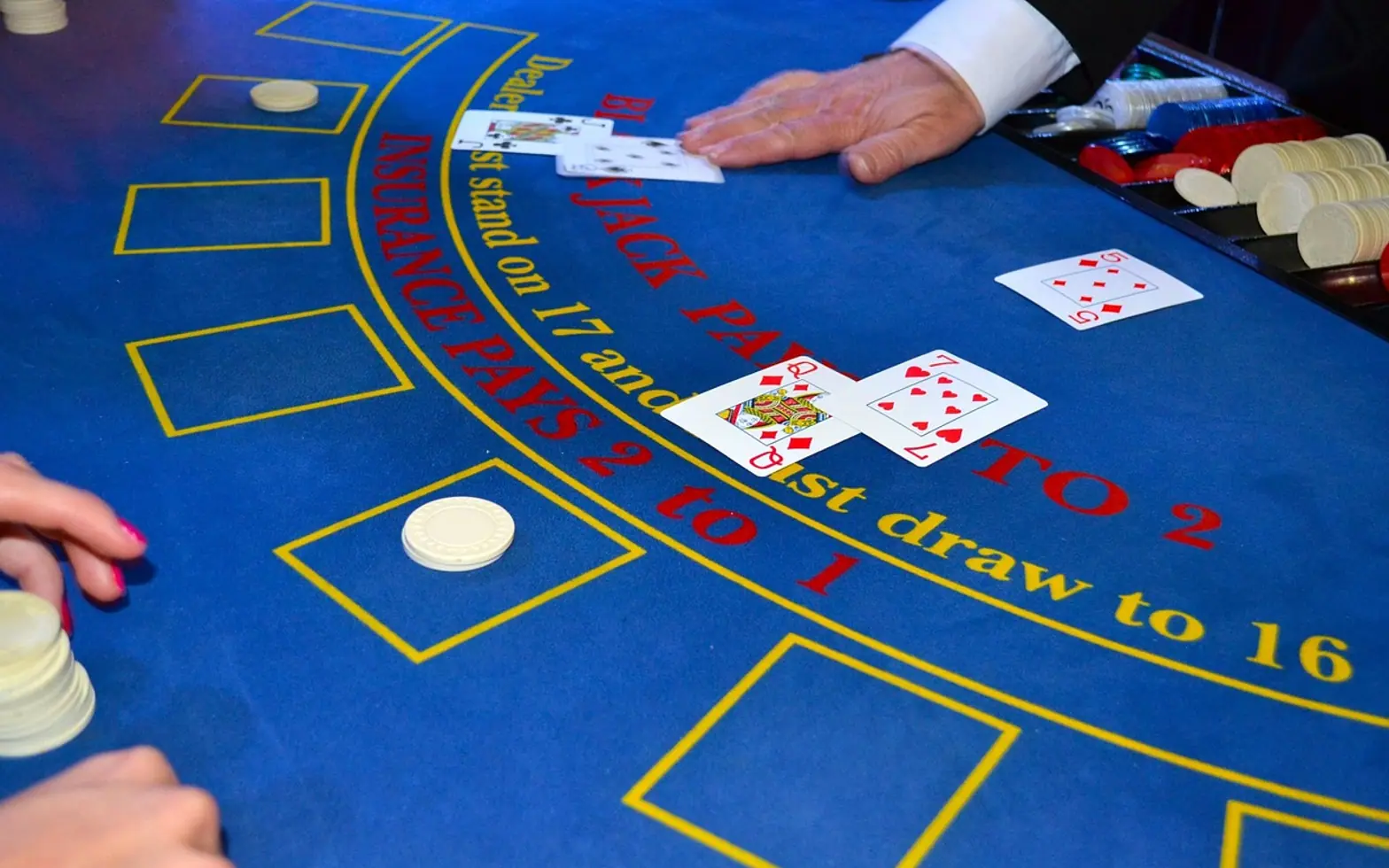
You walk onto a busy casino floor with a set amount in your pocket, spot an open seat at a blackjack table and sit down. The dealer slides the cards, you put out a chip, and the dealer politely points at a small sign by the shoe: your bet is below the table minimum. Nothing dramatic happens, but it is an awkward way to learn that every table game has its own price of entry, and that the price is posted for anyone who looks.
That sign, usually called the limit placard, is one of the most useful things on the floor. This guide explains what it says, how the rules differ between games, and how to use it to keep a visit within budget. Table games are for adults only, and the minimum gambling age is set by local law.
What the placard tells you
A limit sign sits at the edge of every live table, often a small digital display or a printed card in a stand. It normally shows:
- The minimum bet: the smallest stake accepted on a single wager or hand.
- The maximum bet: the largest stake the table accepts on one wager.
- The game and any rule notes: for example which blackjack payout applies, whether the roulette wheel has one zero or two, or how much odds a craps table allows.
- Side-bet limits: optional extra wagers frequently have their own, lower range.
The minimum is the number that matters most to most visitors. It sets the smallest amount you will put at risk every round, and so it decides how quickly a session budget is used up.
How minimums work game by game
Blackjack
The minimum applies to each hand you play. If you spread to two spots, each one must meet the minimum, and splitting or doubling adds a second stake of at least the same size. Side bets usually sit outside the main limit and do not count towards it.
Craps
At the dice table the minimum applies to the main line bets, pass and don't pass, come and don't come. The odds bet placed behind the line has its own rules, normally set as a multiple of the line bet and shown on the placard. One-roll proposition bets in the middle of the table may accept smaller chips. The structure of the game itself is laid out in how to play craps.
Roulette
Roulette often has two minimums. Inside bets, on single numbers and small groups, can usually be made up of several small chips that together reach the table minimum for the spin. Outside bets such as red or black, odd or even, or a dozen, typically need the full minimum on each separate bet. Because the payouts and house edge stay the same whatever the stake, the minimum changes the cost of a spin, not the odds; the full breakdown is in roulette odds, bet by bet.
Poker rooms
Card rooms work differently. Instead of a minimum bet per hand, each game lists its stakes, as blinds or fixed limits, and a minimum and maximum buy-in for taking a seat.
Why the same table costs more on Saturday
Minimums are not fixed for the day. Casinos raise them when the floor is busy, typically in the evenings, at weekends and during holidays or big events, and lower them again when it quietens down. The shift manager decides, and a dealer may simply swap the sign between hands. Players already seated are sometimes allowed to continue at the old limit for a while, but that is the house's choice rather than a rule. The supervisor who manages those changes is described in what a pit boss does.
Location matters as well. Large resorts with expensive rooms tend to set higher floors than older, smaller venues, and the contrast in Las Vegas is clear in the comparison of the Strip and Downtown. Electronic table games and stadium-style terminals, where many players bet on one dealer or a virtual wheel, usually accept much smaller stakes than live tables.
Matching a table to your budget
A simple way to choose is to work backwards from what you are prepared to spend in a session:
- Decide the session amount before you reach the floor, and keep it separate from the rest of the trip money.
- Pick a table where that amount covers a good number of minimum bets, so that a short run of losses does not end the session in minutes.
- Read the placard before sitting down, including side-bet and odds limits.
- If the minimum rises while you play, treat it as a natural point to stop rather than a reason to bet bigger.
- Keep the house edge in mind: a lower minimum stretches the time, it does not change what the game costs on average.
Slot machines raise the same question in a different form, since cost there depends on stake per spin and spin speed. The habits in careful slot play follow the same idea of fixing the spend before the reels start.
Quick answers
Can I bet less than the minimum if the table is empty?
No. The posted minimum applies however many players are seated, though a quiet table is more likely to have its limit lowered soon.
Is there a limit on how much I can win?
The placard limits the stake, not the payout. Each bet still pays according to the game's normal payouts.
Does a higher-minimum table offer better odds?
Not by itself. Some tables pair higher limits with different rules, so read the sign rather than assuming. Gambling should stay a paid leisure activity, played with money you can comfortably afford to lose and within the rules of the place you are visiting.
Found a payout that looks off?
Tell us which sentence, and we will recheck it against the rules.