Table FCasino Trips
What Is a Pit Boss? Who Runs the Table Games Floor
- 4 min
- pg. 27
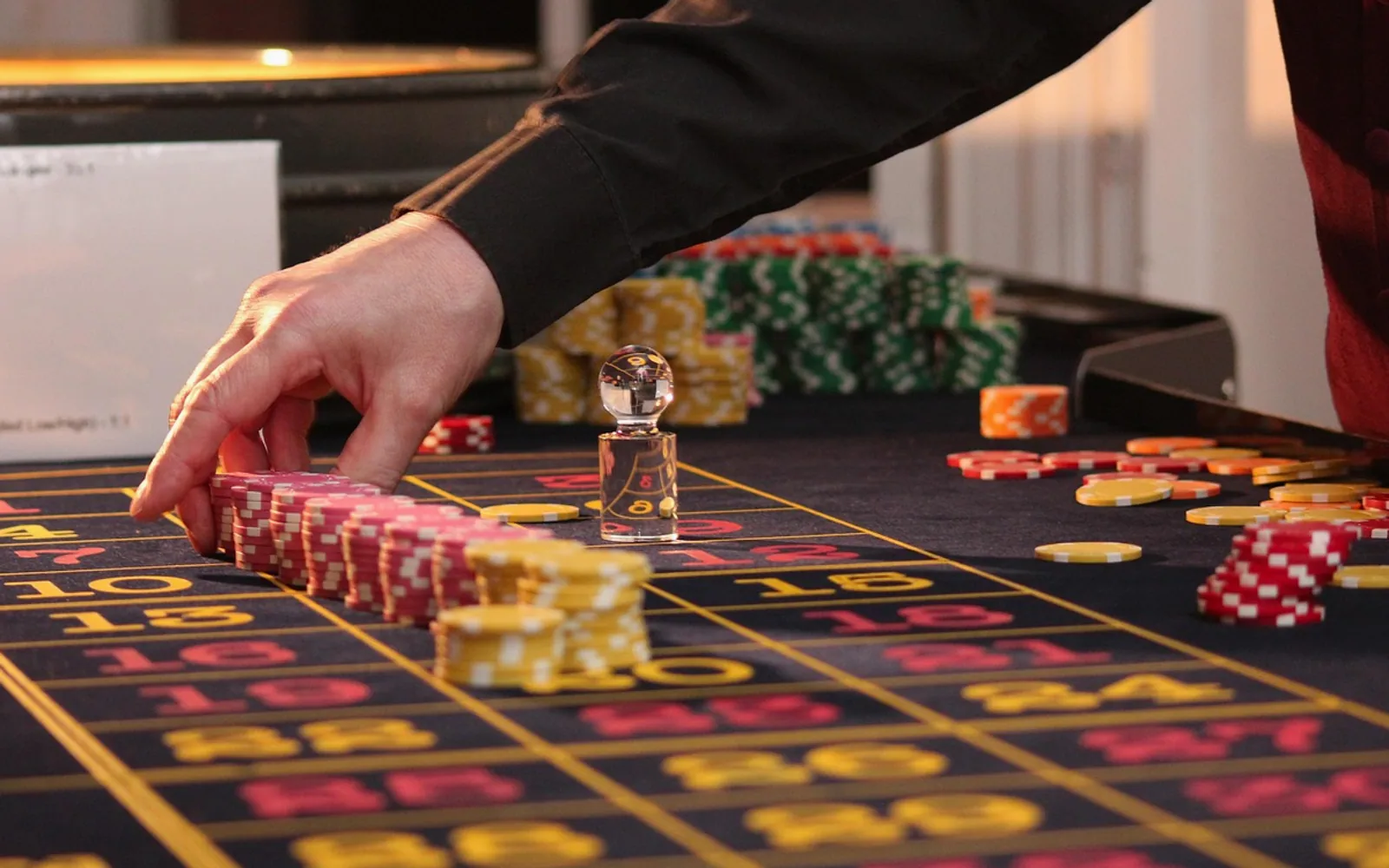
A pit boss is the supervisor in charge of a group of table games, known as a pit. The job is to keep those games running correctly: watching over dealers and floor supervisors, settling disputes, approving large transactions and keeping track of how much the regular players bet. When something at a table needs a decision rather than a procedure, the pit boss is usually the person who makes it.
What the pit is
Casinos arrange their table games in clusters. The tables form a ring or an oval, players sit on the outside, and the space in the middle belongs to staff. That enclosed area is the pit. Supervisors stand there with a view of every table in the group, a terminal for recording play and a phone to the cashier's cage and to surveillance.
A small casino may run a single pit of blackjack and roulette tables. A large one runs several at once, often grouped by game or by stake, so the high-limit tables, the craps tables and the baccarat tables can each have a supervising team of their own.
Guests are not allowed to walk through the pit, even as a short cut. It is a working area where chips, cards and paperwork move, and stepping into it will get a polite but firm request to go back around.
The chain of command
Titles vary from casino to casino, but the structure on most table-game floors looks something like this:
| Role | What they oversee |
|---|---|
| Dealer | One table: runs the game, pays and collects bets |
| Floor supervisor | A few tables: first call for questions and disputes |
| Pit boss or pit manager | A whole pit: staffing, limits, ratings, larger decisions |
| Shift manager | All table games during a shift |
| Casino manager | The gaming operation as a whole |
Craps adds its own layer. The boxperson sits at the centre of the table between the base dealers and watches every payout, a role described in our guide on how to play craps.
What a pit boss does during a shift
- Settles disputes. When a dealer calls "floor", a supervisor comes over; if the question is bigger, it goes up to the pit boss, who may ask surveillance to review the footage.
- Approves large movements of chips. Big buy-ins, large colour-ups and chip fills from the cage all pass through the pit.
- Sets and changes table limits. Opening a new table, raising a minimum on a busy night or lowering it when the room quietens are pit decisions.
- Rates players. For guests who hand over a loyalty card, the pit records average bet and time played, which feeds the casino's rewards system.
- Protects the games. New decks, shuffles, dealer rotations and anything unusual at a table are watched from the pit.
- Handles credit. Where casino credit is allowed, issuing a marker at the table is signed off in the pit.
When a player might deal with one
Most guests never speak to a pit boss, and that is normal. The occasions that bring one over are fairly predictable: a disagreement about a payout, a very large buy-in, a question about raising or lowering a limit, or a request to be rated for rewards. Being polite and specific helps. Describe what happened, let the dealer explain their side, and accept that a camera review may take a few minutes.
In many places a casino may also decline a player's bets at a particular game, and the pit boss is usually the person who delivers that message. It is done quietly, and arguing at the table rarely changes it.
Myths about the pit
Can a pit boss make a table run hot or cold?
No. Cards are shuffled by procedure or machine, dice are thrown by players, and a roulette wheel has no memory. Changing dealers or decks does not change the odds, which are set by the rules and payouts of each game; the numbers for the wheel are laid out bet by bet in roulette odds.
If the pit is watching, am I in trouble?
Almost certainly not. Supervisors watch every table, winners and losers alike. A big win draws attention mostly because it involves larger chip movements and, sometimes, paperwork.
Do pit bosses share in dealer tips?
Usually not. In most casinos tips are pooled among dealers, and supervisors are paid separately.
Attention from the pit is never a signal that luck is about to turn. Each hand, roll and spin stays independent, so the sensible plan is the same in every room: adults only, a budget fixed before the first chip, and a stop when it is used. If that plan keeps slipping, the advice on responsible play is a good place to pause.
Found a payout that looks off?
Tell us which sentence, and we will recheck it against the rules.