Table EJackpots
Coverall Bingo: How Blackout Games and Their Jackpots Work
- 5 min
- pg. 28
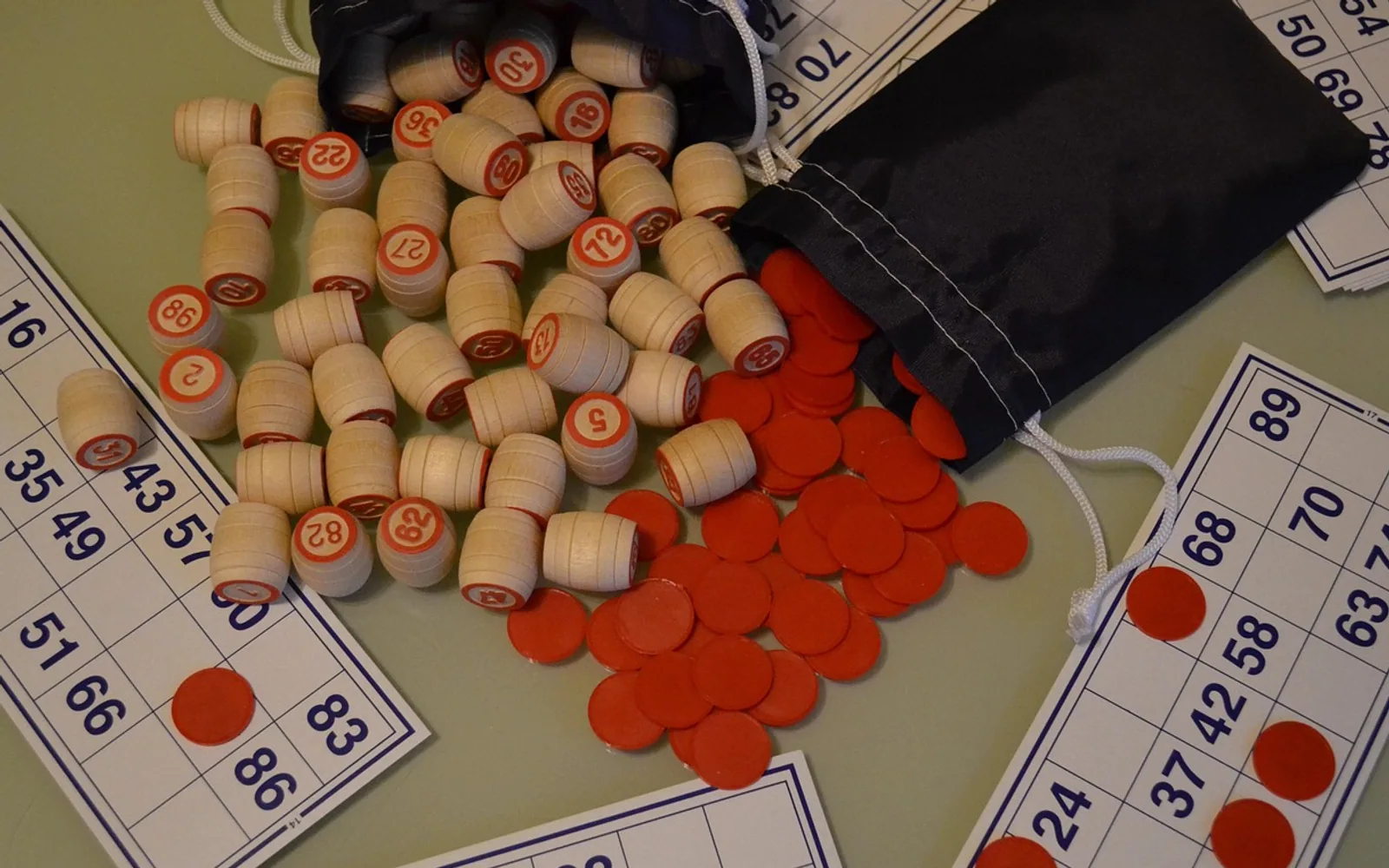
Coverall bingo, also called blackout, is a game in which a card only wins once every number on it has been called. It is usually the last and largest game of a bingo session, and it is where halls and online rooms attach their biggest prizes. Those jackpots almost always come with a condition: the card has to be covered within a set number of calls. That one rule decides how often the big prize is paid. The notes below are for adult players, 18 or older where local law allows it.
What "covering the card" means
Ordinary bingo games ask for a pattern: a line, four corners, a letter shape. A coverall asks for the whole card. On a standard American 75-ball card that means all 24 numbers, because the centre square is free. On a 90-ball ticket, the format common in the UK, the same idea is called a full house and needs all 15 numbers on the ticket.
| Format | Numbers drawn from | Numbers to cover | Usual name |
|---|---|---|---|
| 75-ball | 1–75 | 24 (plus free centre) | Coverall or blackout |
| 90-ball | 1–90 | 15 | Full house |
| 80-ball (online) | 1–80 | 16 | Full card |
If you are new to the cards themselves, the walk-through on how to play bingo covers daubing, calling and the common patterns before the coverall comes round.
How coverall jackpots are built
A plain coverall game simply pays whoever fills a card first, however many balls that takes. The jackpot versions add a deadline, and there are a few common designs.
- Call-limit jackpot. A large prize is paid only if someone covers a card within a fixed number of calls, for example the first 50. If nobody does, the game carries on and the first coverall wins a smaller consolation prize instead.
- Growing call limit. Each session the jackpot is missed, the limit rises by one call and the prize usually grows as well. Over time the target becomes easier to reach, and eventually someone hits it and the cycle restarts.
- Progressive coverall. A small part of each card sale is added to the jackpot, which works much like the meter described in the piece on progressive jackpots in online slots. Online rooms sometimes share one pot across several rooms.
- Fixed-prize coverall. No deadline and no meter, just a set prize. Easier to win, smaller to collect.
The prize amount, the call limit and how the consolation prize is worked out should all be posted in the hall or in the room's game rules. If any of them are missing, ask before buying cards for that game.
Why the call limit matters so much
The deadline is not a small detail. It is the main reason the headline prize stays unpaid for weeks at a time. Some plain arithmetic shows why.
Take one 75-ball card with 24 numbers to fill. The card cannot be covered before the 24th call, and that would require every one of the first 24 balls to land on that card, which is almost impossible. On average, the last of a single card's 24 numbers turns up somewhere in the low seventies of the 75 balls. In other words, a lone card usually needs nearly the whole drum before it is full.
A room full of cards changes the picture only partly. With hundreds of cards in play, someone will cover earlier than the average card, which is why a plain coverall usually finishes well before the last ball. But a strict limit, set far below that point, can go unmet session after session. That is also why the growing-limit design exists: it lets the target drift toward a reachable number.
Do more cards help?
Each extra card is another chance to fill first, so more cards do raise your share of the chances. They also raise the cost of the session in exactly the same proportion, and the jackpot pays one winner (or splits between several). More cards do not make any single card more likely to cover early. It is a bigger stake, not a better bet.
Coverall compared with keno
Coverall and keno look alike because both draw numbered balls, and some readers mix them up. In keno you pick your own numbers and are paid by how many of them hit, with fixed payouts set on a paytable; the guide on how to play keno explains how those spots work. In coverall bingo you get a pre-printed card, you compete against everyone else in the room, and the prize goes to the first full card. Keno pays several players at once; a coverall usually produces one winner, or a split.
Playing a coverall game sensibly
- Read the posted rules. Note the call limit, the consolation amount and what happens on a shared win.
- Decide the number of cards before the session. Coverall packs are often sold separately and cost more than ordinary games.
- Treat the jackpot as a long shot. Plan the evening around the consolation prize and the ordinary games, not the headline figure.
- Keep the daubing manageable. In a hall, more cards than you can follow means missed numbers. Online rooms auto-daub, which removes that limit and can quietly push spending up.
- Call clearly and wait for the check. In a hall, the card is verified against the called numbers before anything is paid.
Bingo is a game for adults to enjoy as paid entertainment. Set a spend for the night before the first game, stop when it is used, and check the rules where you live, since bingo is regulated differently from place to place. The general advice in slot machines and responsible gaming applies just as well to a bingo session.
Common questions
Is blackout the same as coverall?
Yes. Both names describe filling every square on a 75-ball card. The 90-ball equivalent is the full house.
What happens if two players cover on the same call?
Most halls and rooms split the prize equally between the cards that complete on the same number. Some have their own rules, so check before you play.
Why does the jackpot keep getting bigger?
Either part of each card sale is added to it, or the prize rises each time the call limit is missed. In both cases the growth reflects how hard the target is to reach, not how close it is to being won.
Can a pattern or "lucky card" improve the odds?
No. The balls are drawn at random and every card holds a different set of numbers. No card is more likely to cover first because of where its numbers sit.
Found a payout that looks off?
Tell us which sentence, and we will recheck it against the rules.