Table DKeno & Bingo
How to Play Keno
- 4 min
- pg. 22
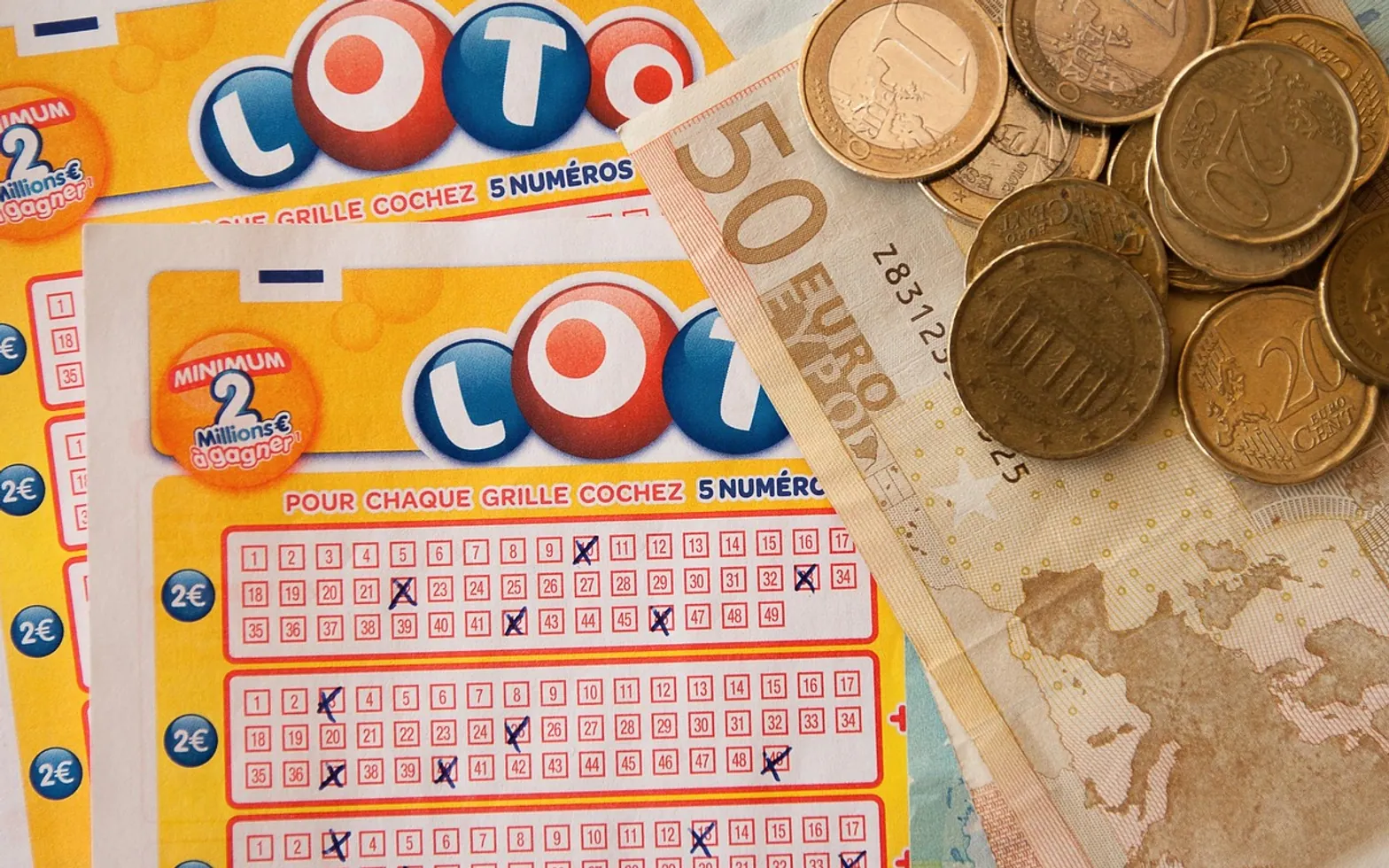
Keno is one of the gentlest-paced games in a casino. You mark a few numbers on a ticket, hand it in, and wait for a draw that takes a minute or two. There is no dealer to keep up with and no strategy to memorise. That calm can be part of the appeal, but it also hides how the game is priced. This guide explains how to play and how to read a keno ticket honestly, for readers aged 18 and over.
The basic idea
A keno board holds the numbers 1 to 80. You choose some of them, called spots. The game then draws 20 numbers at random. The more of your spots that appear among those 20, the more you may be paid, according to a pay table fixed in advance. Each matched spot is called a catch.
In a keno lounge the draw uses a blower machine with numbered balls, or an electronic generator shown on screens. Video keno machines and online versions use a random number generator, and draws run as quickly as you press the button.
Filling in a ticket
- Choose how many spots. Most games let you pick from 1 up to 10 spots, and some allow 15 or 20.
- Mark your numbers. Circle them on a paper ticket or tap them on a screen. A "quick pick" lets the machine choose for you; it has exactly the same chances as numbers you choose yourself.
- Set your stake per game and, if offered, the number of consecutive games the ticket should play.
- Hand in or confirm the ticket before the draw closes, and keep your receipt in a land-based lounge.
- Check the draw against the pay table for the number of spots you played.
Reading the pay table
Every spot count has its own row of prizes. A 4-spot ticket might pay something for 2 catches, more for 3 and the top prize for 4. A 10-spot ticket often pays nothing for the first few catches, then climbs steeply. Some tables even pay a small amount for catching zero on large tickets. Two details deserve attention:
- "For" versus "to". Keno tables often state prizes as "3 for 1", meaning you get 3 units back including your 1-unit stake. That is a smaller win than "3 to 1", which would return 4.
- Different venues, different tables. The same 6-spot ticket can pay quite differently from one casino or app to the next. The pay table, not the draw, is where the price of the game is set.
Working out the odds
Keno odds follow from simple counting. With one spot, your number has 20 chances in 80 to be drawn, so you catch it 25% of the time. With two spots, both numbers appear in about 6% of draws, and exactly one of them appears in about 38%.
| Ticket | Result | Chance per draw |
|---|---|---|
| 1 spot | Catch 1 | 25.0% |
| 2 spots | Catch 2 | 6.0% |
| 2 spots | Catch 1 | 38.0% |
| 10 spots | Catch all 10 | about 1 in 8.9 million |
An example of the house edge
Imagine a made-up pay table where a 1-spot ticket pays 3 for 1. You catch your number a quarter of the time and get 3 units back, so on average you receive 0.75 units for every unit staked. The house keeps 25%. Real tables vary, but the method is the same: multiply each prize by its chance, add them up, and compare the total with your stake. Do that for any keno game and you will usually find its share runs well above table games such as roulette. The way a game's return is calculated works much like the slot figures discussed in our guide to slot RTP.
Ways tickets and other variations
- Way tickets split your marked numbers into groups and play several combinations at once, each as a separate bet.
- Multi-race tickets repeat the same numbers over several consecutive draws.
- Progressive keno adds a growing top prize funded by a slice of each stake, usually for catching every spot on a large ticket.
- Bonus multipliers on some machines raise prizes on certain draws, often in exchange for a higher stake.
Common myths
Keno numbers do not get "hot" or "cold". Each draw is independent, so a number missing from recent draws is no likelier to turn up in the next one. Lucky birthdays and patterns on the board are fine for fun, but they change nothing about the odds. Playing more spots does not improve your value either; it simply changes which prizes are possible and how rarely they land.
Keeping keno in proportion
Keno feels slow, but fast video versions can run many games in the time a lounge draws one, and the total spent can climb quietly. Pick a fixed sum before the first ticket and walk away once it has been played through, whatever the board shows. If you enjoy number-matching games played in company, our explainer on how to play bingo covers keno's closest relative.
Found a payout that looks off?
Tell us which sentence, and we will recheck it against the rules.